
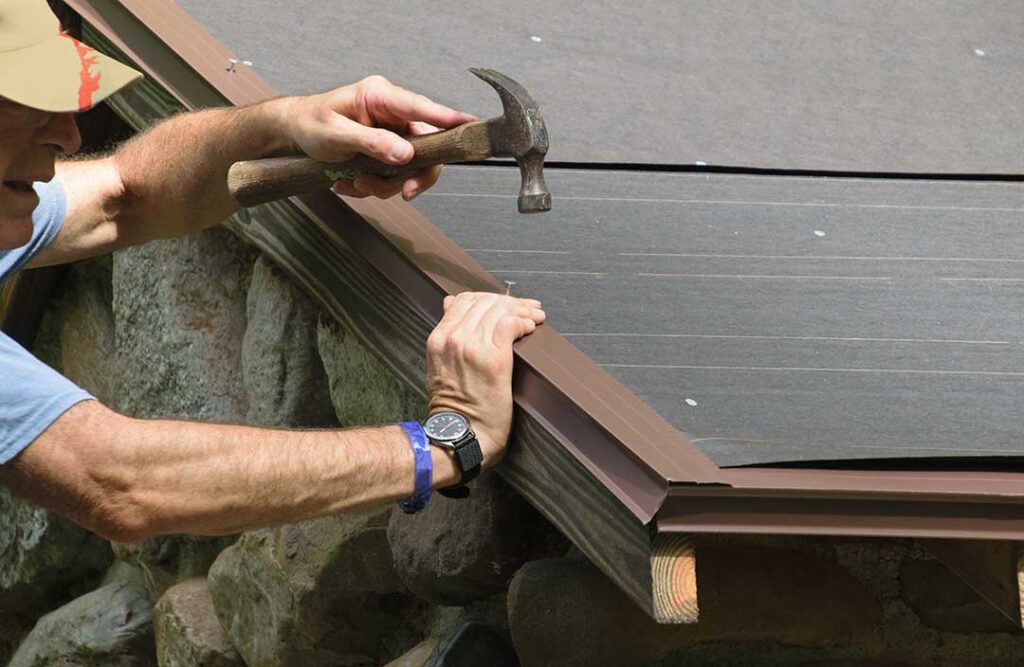
Why Is Roof Drainage So Important for Homes in Cuba, NY?
Roof drainage is critical for protecting homes from water damage, especially in a climate like Cuba, NY, where heavy snowfall, rainfall, and freeze-thaw cycles are routine. Effective drainage prevents water accumulation, which can lead to roof leaks, ice dams, mold growth, and foundation issues. Proper systems not only prolong roof life but also safeguard family health.
What Types of Roof Drainage Systems Work Best Locally?
In Cuba, most residential roofs utilize either gutters and downspouts or, less commonly, internal drains. For pitched roofs, gutters are the norm because they efficiently direct water away from eaves. Flat or low-slope roofs—sometimes seen on home additions or garages—may use internal drains that route water through pipes built into the structure.
Options commonly found in area homes include:
- K-style aluminum gutters for durability against snow and ice buildup
- Oversized downspouts to accommodate heavy runoff during summer storms or sudden snowmelts
- Gutter guards to reduce clogging during autumn leaf fall
How Can Residents Prevent Common Roof Drainage Problems?
Many issues arise from neglect or a mismatch between system capacity and local weather. Simple seasonal habits go a long way:
- Inspect gutters and downspouts at least twice a year—once after leaf-fall and again after spring thaw
- Remove debris such as leaves, pine needles, and roofing grit to avoid blockages
- Confirm that downspouts direct water at least 4-6 feet from the foundation to prevent basement seepage
Trapped water is a frequent culprit for damage. In Cuba, prolonged snow coverage can cause ice dams, which force water back under shingles. Proper attic insulation and ventilation help prevent this, but ensuring gutters are clear before major snowfalls also makes a difference.
Are There Special Considerations for Older Homes in the Area?
Older homes, especially those with intricate rooflines or mature trees nearby, face extra drainage challenges. Gutters on historic homes may be undersized or misaligned due to settling. Regularly check for:
- Sagging or disconnected gutters, which can spill water along siding
- Leaks around inline seams and corners
- Downspouts that have shifted or detached due to frost heave or impact from snow sliding off the roof
Restoring proper slopes to aging gutters is essential so that water doesn’t pool. Local homeowners often DIY this maintenance using a level, but persistent drainage issues may need further investigation to ensure there’s no hidden wood rot or structural wear.
What Materials Are Best for Withstanding Cuba’s Weather?
Material choice affects system longevity and performance when facing ice and fluctuating temperatures. Most area homes use aluminum, which resists rust and is light enough for easy seasonal adjustments. Copper and steel are also options, though steel may rust over time and copper is typically chosen for aesthetic or historical reasons. Vinyl is affordable, but often cracks in deep winter cold.
In all cases, fasteners should be corrosion-resistant, and flashing around chimneys, skylights, and dormers must be securely sealed. If adding heat cables to combat ice dams, always check compatibility with gutter materials to avoid damage.
How Should Gutters and Downspouts Be Positioned?
Gutters should slope slightly toward downspouts—typically a drop of about 1/4 inch for every 10 feet—so water doesn’t pool and insect breeding is discouraged. In Cuba, where sudden thaws can release heavy volumes of water at once, downspouts should be sized accordingly (often 3×4 inches), especially on large or complex roofs.
Downspout extensions or splash blocks are recommended to keep discharge well clear of the home’s basement walls. In areas where frequent freeze-thaw cycles occur, using flexible extensions that can be repositioned for snow removal makes regular maintenance easier.

What Are Warning Signs That Roof Drainage Isn’t Working?
Visual cues help spot trouble early:
- Overflowing gutters in moderate rain signal a blockage or insufficient slope
- Dark biological growth on siding or at foundation edges usually means chronic dripping or pooling water
- Water stains on exterior walls beneath eaves may indicate leaky seams, loose fasteners, or ice dams
- Ice formation hanging from gutters or roof edges shows that drainage is restricted, often by debris or inadequate insulation and ventilation
If these issues persist despite basic cleaning and adjustment, further diagnosis may be required, as plumbing or structural problems might be present.
Can Gutter Guards or Other Accessories Really Help?
Gutter guards can be beneficial for homes surrounded by large trees, as they reduce the need for frequent manual cleaning. However, guards are not maintenance-free; smaller debris like pine needles or shingle grit can still accumulate and should be checked for each season.
Other helpful accessories for the area’s climate include:
- Heat cables to prevent ice damming (installed only by those comfortable working safely at heights)
- Downspout strainers to catch debris at the top before it can lodge in underground extensions
- Leaf diverters for valleys where multiple roof slopes meet
These additions aid convenience but don’t fully replace regular hands-on maintenance, particularly in a high-precipitation environment like Cuba.
What’s the Most Overlooked Part of Roof Drainage Maintenance?
Many homeowners forget to check ground grading around their houses. Even with perfect gutters, poor grading will let water seep along the foundation. Soil should slope away from the walls, redirecting all roof runoff into the yard or municipal drain systems and away from any basement entry points.
Adding or refreshing gravel-filled trenches (French drains) at vulnerable spots can improve localized drainage—an especially useful tactic for older homes with shallow foundations or those at the bottom of slopes.
