
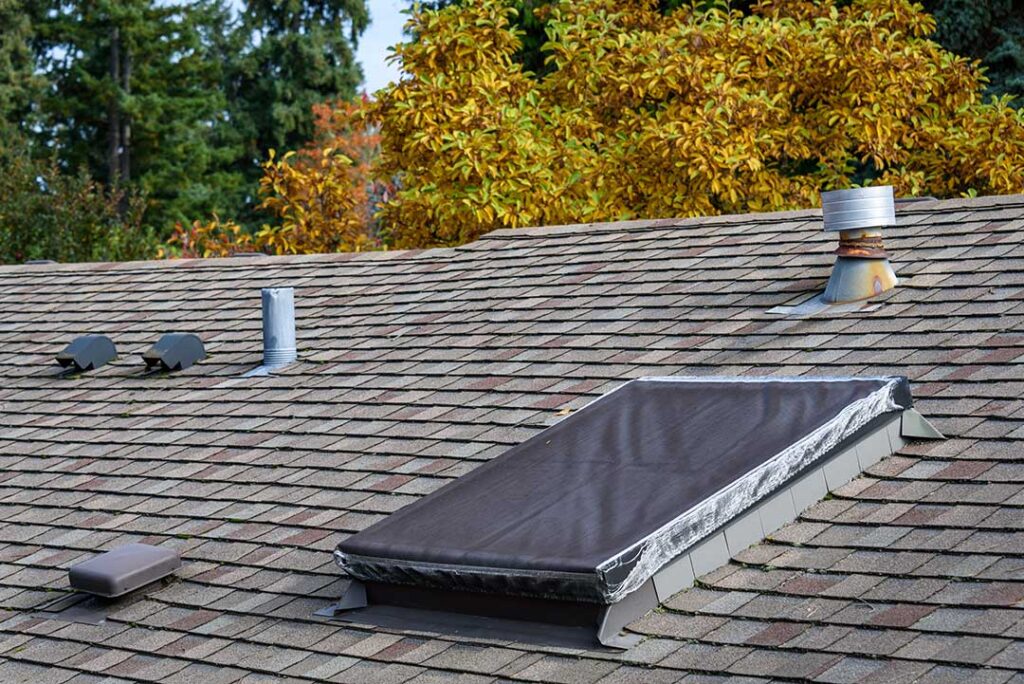
How Does Sun Exposure Affect a Roof in Cuba, NY?
Sunlight, particularly ultraviolet (UV) radiation, steadily interacts with roof materials throughout the year. In Cuba, NY, the impact of sun exposure on residential roofs is influenced by local climate, including seasonal shifts between cold winters and sunny, humid summers. While roofs are built to withstand daily weather, sunlight remains a persistent stressor that can shorten a roof’s lifespan and alter its appearance.
What Kinds of Roof Wear Come from Sun Exposure?
UV rays break down roofing materials over time. This is especially noticeable in the following ways:
- Shingle Cracking and Brittleness: Most roofs in Cuba use asphalt shingles, which gradually become brittle and crack due to sunlight degrading the shingle’s protective layer.
- Color Fading: Constant exposure makes shingles lose their rich color, leaving streaks or dull patches. This is often first visible on roof areas with unshaded, southern or southwestern exposures.
- Granule Loss: Asphalt shingles shed small protective granules when exposed to sun and heat, reducing weatherproofing and leaving the roofing felt more vulnerable.
- Warping or Cupping: In rare cases, prolonged sun combined with hot weather causes shingles or shakes to curl up or warp, especially on roofs with inadequate attic ventilation.
Unlike dramatic storm damage, sun-related wear happens slowly. Residents often notice their roofs look older or patchier, even if leaks haven’t started yet.
How Intense Is Sun-Related Roof Damage in Cuba?
Cuba experiences all four seasons, with most direct sun exposure from late spring through early fall. This climate means:
- UV rays are strongest and most persistent during June, July, and August.
- South- and west-facing roof surfaces receive the most daily sunlight.
- Seasonal changes, such as snow and freeze-thaw cycles, can add extra stress alongside UV aging, compounding the effect.
- Trees or taller buildings nearby can provide some shading, which reduces sun exposure for certain homes. However, open lots, newer developments, and rural homesteads may see more direct sun.
Unlike arid regions, Cuba residents don’t face year-round intense UV, but seasonal highs can still speed up material breakdown—especially after unusually warm, sunny stretches.
Can Sunlight Make Roofs Hotter, Affecting Home Comfort?
Roofs absorb radiant heat on sunny days, making attic temperatures much higher than the outdoor air temperature—sometimes above 140°F during heatwaves. For Cuba households, this can have several side effects:
- Increased reliance on air conditioning in summer.
- Elevated electrical costs, especially in older homes with less insulation.
- Potential for quicker roof aging if attic ventilation isn’t adequate.
- Warm attic air can promote ice dam formation in winter if insulation isn’t up to code.
Selecting lighter-colored roof materials or maintaining proper attic venting can help moderate these temperature swings, but even well-maintained roofs experience some heat buildup during long sunny periods.
Do Certain Roof Materials Stand Up Better to Sun in Cuba, NY?
The longevity of a roof under sunlight varies by material and quality. Options commonly found in Cuba include:
- Asphalt Shingles: Most common and affordable, but most vulnerable to UV breakdown. Higher-grade or architectural shingles can resist fading and cracking longer than basic types.
- Metal Roofs: Metal panels or shingles reflect more sunlight and generally resist UV degradation, but their paint finishes may slowly chalk or discolor over decades.
- Wood Shakes/Shingles: These are less common but offer decent UV resistance if locally sourced and maintained, though they’re more affected by humidity and moss in this region.
- Slate and Tile: Rare in Cuba, but when present, these offer exceptional durability against sun and thermal stress.
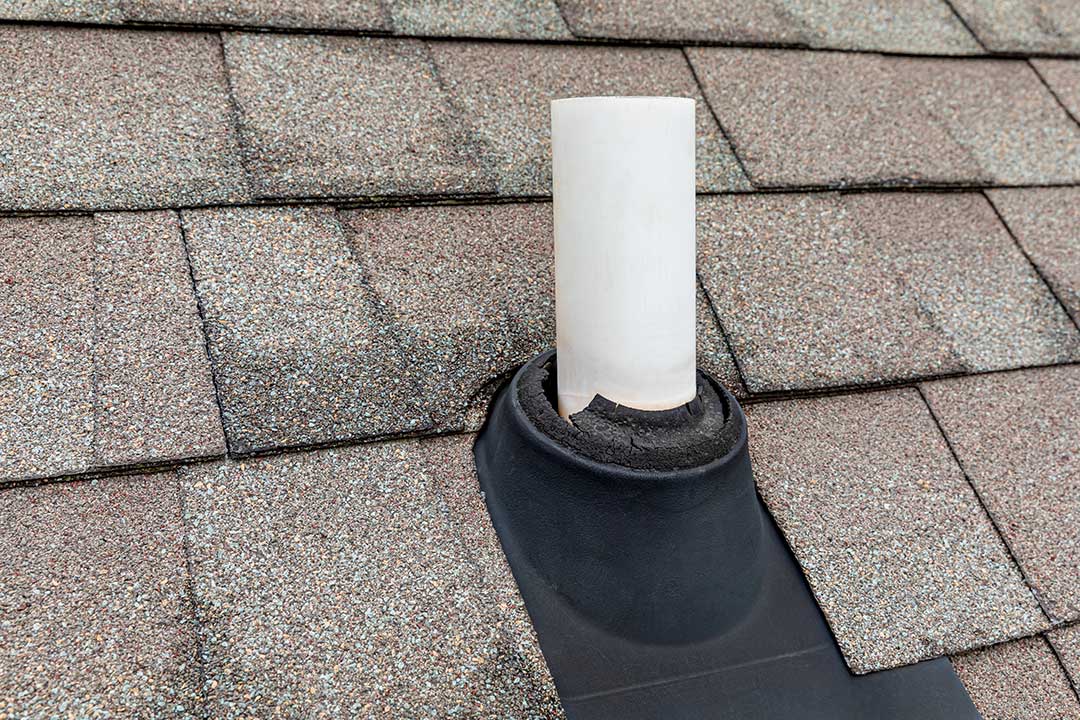
Routine visual checks—especially of areas most exposed to sunlight—help spot early changes that indicate material vulnerabilities.
How Can Residents Tell If Sun Exposure Is Causing Problems?
Early signs of sun-related wear are often overlooked until a leak or obvious failure happens. Consider these inspection tips:
- Check for surface granules in gutters after summer storms.
- Look for unusual fading or color differences on parts of the roof.
- Examine shingles for curling, cracking, or missing corners during yearly attic checks.
- Inspect attic areas for excessive heat and any signs of damaged underlayment near sunniest roof sections.
Regular roof checks each season—especially after sunny, hot stretches—allow residents to address early issues before they cause leaks or bigger repairs.
Common Misconceptions About Sun Exposure and Roofs
Some local homeowners believe that because Cuba has long winters, sun damage isn’t a big concern. However, UV aging accumulates slowly, even in regions with mixed climates. Another misconception is that a faded-looking roof always needs immediate replacement. In reality, fading alone doesn’t mean urgent repairs—but checking for underlying cracks or brittle shingles is important.
Additionally, some think that sun alone causes all visible roof wear. In fact, heat, moisture, and freeze-thaw cycles often act together, gradually weakening roofs in less-visible ways.
Practical Ways to Limit Roof Damage from Sunlight
While sunlight is unavoidable, there are ways to reduce its impact:
- Keep attic insulation and ventilation in good condition to dissipate heat buildup.
- Trim overhanging branches as needed, balancing shade with proper air flow.
- Choose high-quality, UV-resistant roofing materials when installing or repairing a roof.
- Conduct visual checks every season, paying special attention after a hot summer.
Routine upkeep and awareness go a long way in helping Cuba residents maintain their roofs through years of varied seasonal conditions.
