
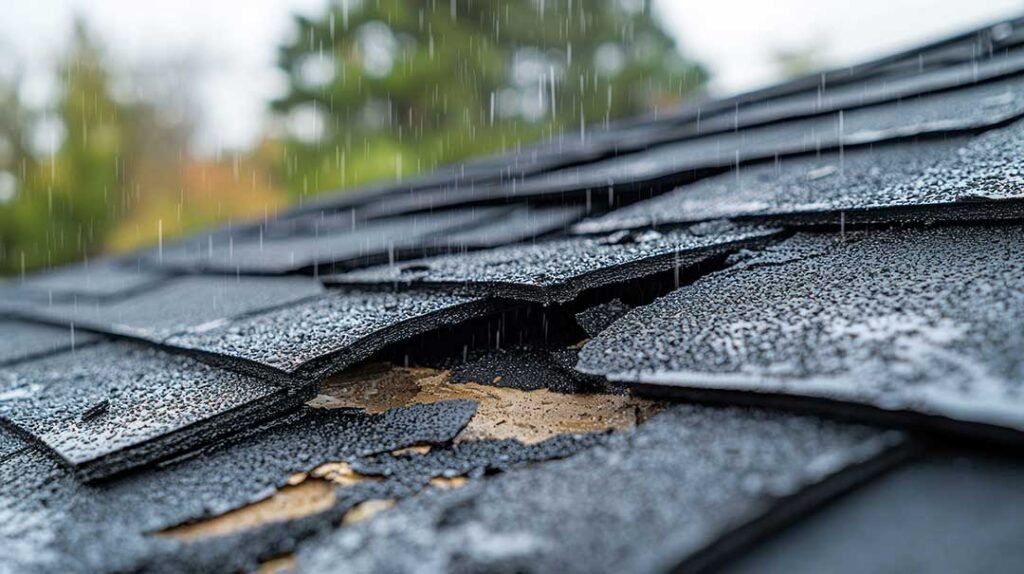
Shingle curling and cracking are common signs that an asphalt-shingle roof is losing its protective surface. The damage may begin as a small lifted edge or a few hairline splits, but it can eventually allow water to reach the underlayment, roof deck, insulation, and interior ceilings.
For households in Cuba, NY, seasonal temperature changes, snow, ice, wind, and moisture can all contribute to shingle deterioration. Understanding the difference between normal aging and repairable damage helps residents respond before a minor roofing problem becomes an interior water leak.
What does shingle curling look like?
Curling occurs when the edges or corners of a shingle lift away from the roof surface. The shingle may curl upward along its lower edge, rise at one or both corners, or appear wavy across the roof.
A small amount of edge lift can be difficult to see from the ground. Binoculars can help with a distant inspection, but climbing onto the roof is risky, especially when shingles are brittle, damp, icy, or steeply sloped.
Common signs include:
- Lower edges that turn upward
- Corners that no longer lie flat
- Shingles that appear buckled or wavy
- Exposed nail heads or dark lines beneath lifted shingles
- Loose pieces found in gutters or around the foundation
- Uneven patterns on roof slopes that receive strong afternoon sun
Curling is not always caused by one problem. Age, heat, moisture, poor installation, inadequate ventilation, and repeated freeze-thaw cycles may all play a role.
Why do asphalt shingles crack?
Cracking usually develops when the shingle material becomes dry, brittle, or repeatedly expands and contracts. The cracks may run vertically, horizontally, or in irregular patterns across the shingle surface.
There are two broad types of cracking:
Surface or weathering cracks affect the outer coating and may be relatively shallow at first. They still indicate that the shingle is losing flexibility.
Splitting cracks extend more deeply through the shingle. These cracks are more concerning because they can allow water to move beneath the protective granule surface and into the underlying layers.
Roof shingles can crack after years of exposure to sunlight and changing temperatures. In western New York, winter cold can make older shingles especially brittle. Snow and ice do not usually create every crack by themselves, but the weight, movement, and repeated thawing around damaged areas can worsen existing weakness.
Are curling and cracking signs that the entire roof needs replacement?
Not necessarily. A few damaged shingles on an otherwise sound roof may be repairable, while widespread curling and cracking usually point to broader aging.
The extent of the problem matters more than the presence of one damaged shingle. A roof condition assessment should consider:
- The approximate age of the roofing
- Whether damage appears on one slope or throughout the roof
- The amount of missing or loose granule material
- Signs of leaks in the attic or upper ceilings
- The condition of flashing around chimneys, vents, and wall intersections
- Whether the shingle seal strips are still holding
- The number of prior repairs
If curling and cracking are scattered across several roof slopes, replacing individual shingles may provide only temporary relief. New shingles installed among severely aged roofing can also perform differently because the surrounding material may fail soon afterward.
What causes shingles to curl?
Several conditions can produce curling or accelerate it.
Roof age
Asphalt shingles gradually lose oils and flexibility. Older shingles become less able to remain flat during temperature changes, wind, and moisture exposure.
Poor attic ventilation
An attic that cannot release heat and moisture may contribute to premature roof aging. Excessive heat can shorten shingle life, while trapped moisture can affect the underside of the roof deck and encourage condensation.
Proper ventilation depends on balanced intake and exhaust airflow. Adding a roof vent without adequate intake airflow does not automatically solve the problem.
Improper installation
Shingles may curl if they were installed over a poorly prepared surface, fastened incorrectly, or applied during unsuitable weather. Nails placed too high, too low, or at the wrong angle can prevent shingles from lying securely.
Moisture beneath the shingles
Roofing installed over damp decking, or roofing exposed to recurring leaks, may deteriorate unevenly. Moisture problems can also affect underlayment, wood sheathing, and insulation.
Wind exposure
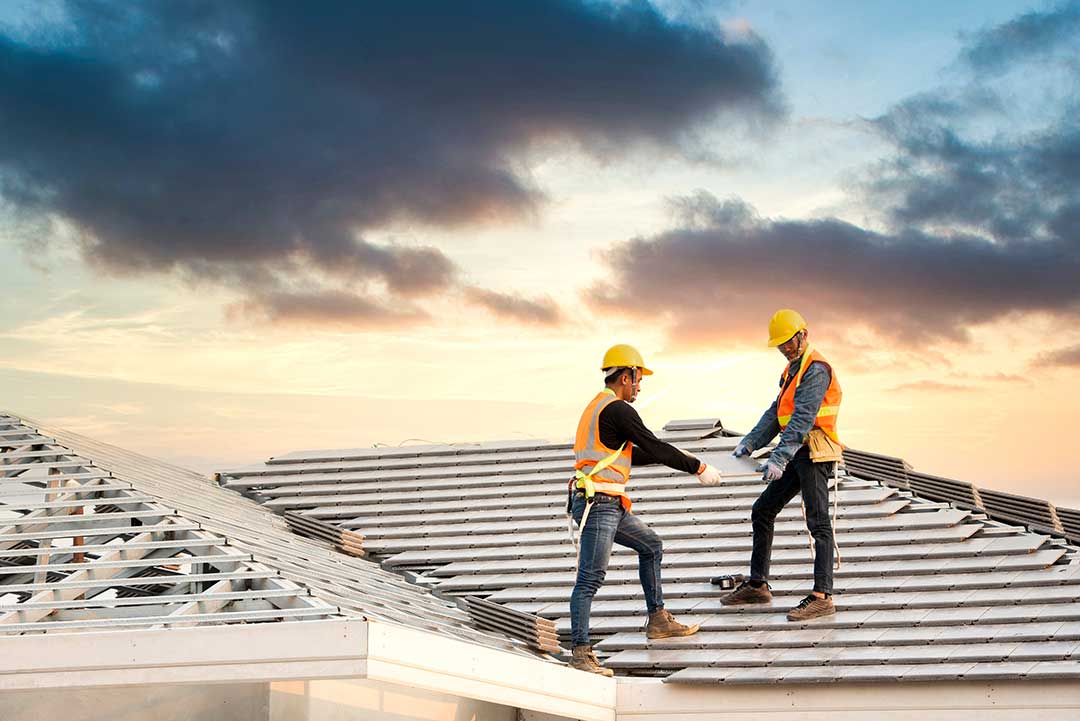
Repeated wind can loosen shingle edges and weaken the factory-applied adhesive strips. Once a shingle begins lifting, later storms can fold or tear it.
Can curled shingles be flattened or repaired?
A curled shingle should not simply be forced flat. Brittle material may crack during handling, and aggressive use of roofing cement can trap moisture or create an uneven patch.
A limited repair may involve replacing the damaged shingle, checking the fasteners, and examining nearby shingles for similar deterioration. Temporary measures may reduce immediate water entry, but they should not hide a larger pattern of roof failure.
Roof work becomes hazardous during wet, snowy, icy, or windy conditions. A roof edge, ladder, and any surface covered by frost or moss can be unexpectedly slippery. Interior inspection from an attic or upper room is often safer for identifying signs of active leakage.
What should residents check after a storm?
After strong wind, heavy snow, or rapid thawing, look for ground-level evidence rather than walking on the roof. Useful places to check include:
- Gutters and downspouts for unusual amounts of granules
- The ground for shingle fragments or metal flashing
- Ceilings and upper walls for stains, bubbling paint, or dampness
- The attic for daylight, wet insulation, rusty nails, or darkened wood
- Roof edges for visibly lifted or missing shingles
A ceiling stain does not always appear directly beneath the roof defect. Water can travel along decking, rafters, insulation, and framing before becoming visible indoors.
If water is actively entering the home, place a container beneath the drip, move valuables away from the area, and avoid electrical fixtures that are wet or showing signs of damage. Emergency protection may be needed when the roof cannot be safely inspected or when rain is continuing.
How can shingle damage be reduced?
No maintenance plan can prevent normal aging, but several practices can reduce avoidable damage:
- Keep gutters and downspouts clear so water does not back up beneath roof edges.
- Maintain trees so branches do not scrape shingles or fall onto the roof.
- Keep attic insulation and ventilation in proper condition.
- Check flashing and roof penetrations periodically for gaps or movement.
- Avoid pressure washing asphalt shingles.
- Do not walk on the roof unless the surface and conditions are known to be safe.
- Treat recurring ice buildup as a drainage and air-sealing concern rather than merely chipping away the ice.
In a cold, snowy climate, roof problems often become most visible during spring thaw. That makes late winter and early spring useful times to check attic spaces, ceilings, gutters, and the ground around the home for evidence of shingle loss or water entry.
When is the damage urgent?
Prompt attention is warranted when curled or cracked shingles are accompanied by missing sections, exposed underlayment, water stains, active dripping, sagging roof decking, or damaged electrical components. A roof with widespread deterioration may be vulnerable even if no leak has appeared indoors yet.
The key distinction is between isolated cosmetic wear and a pattern showing that the roofing system is no longer shedding water reliably. Careful observation, safe ground-level inspection, and timely attention to leaks can help prevent damaged shingles from becoming damaged ceilings, insulation, or structural wood.
