
Green roofs can reduce runoff, protect the roof membrane from sunlight, and moderate indoor temperatures. They can be worthwhile in the right setting, but they are not a simple substitute for conventional shingles or metal roofing.
For many homes in Cuba, NY, the biggest question is not whether a planted roof is environmentally beneficial. It is whether the building structure, roof design, winter conditions, maintenance expectations, and long-term budget make the system practical.
What is a green roof?
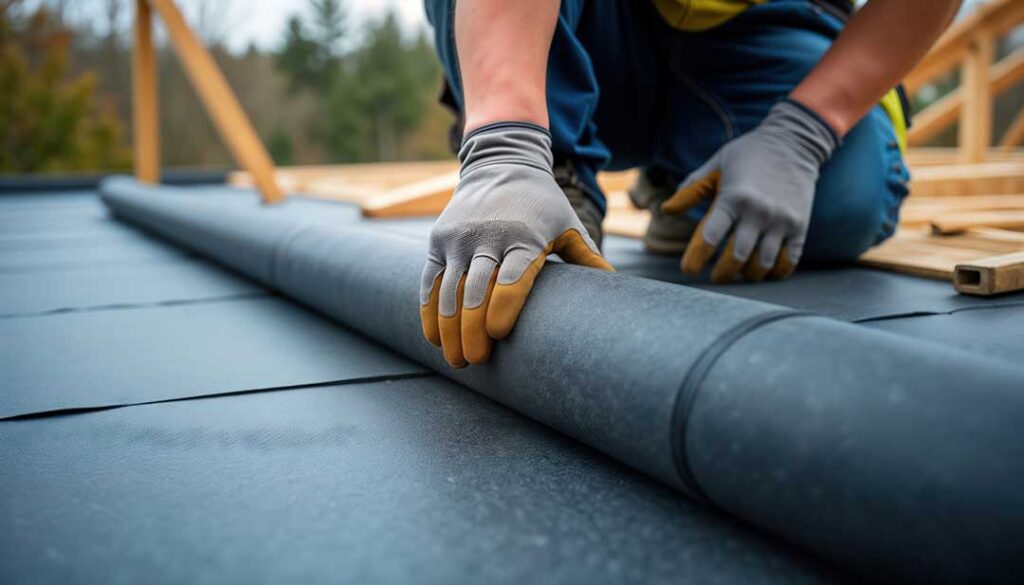
A green roof is a layered roofing system that supports living plants. It is not simply soil spread over an existing roof. A typical system includes:
- A waterproof roofing membrane
- A root-resistant layer
- Drainage and water-storage components
- Lightweight growing medium
- Vegetation suited to the roof’s exposure
There are two main types.
Extensive green roofs are shallower and lighter. They generally use low-growing plants such as sedums, mosses, and other drought-tolerant species. These systems require less maintenance but are not designed for regular walking or gardening.
Intensive green roofs contain deeper growing medium and can support a wider range of plants. They are heavier, more expensive, and more demanding to maintain. Some may function as rooftop gardens, but they require structural planning similar to a small landscaped area.
A green roof may be installed on a new building or added during a major roof replacement. Retrofitting an existing home requires more than checking whether the roof looks sturdy from the ground.
Are green roofs suitable for the climate in Cuba?
They can be, but winter design is a major consideration. The area experiences freezing temperatures, snow, ice, spring thawing, strong winds, and repeated moisture changes. Those conditions place stress on both the roofing assembly and the plants.
A successful system needs to account for:
- Snow and ice loading
- Water trapped beneath frozen materials
- Freeze-thaw movement
- Wind exposure
- Spring drainage
- Dormant vegetation
- Safe access for inspection
Green roofs do not eliminate winter runoff. During prolonged cold weather, the growing medium may be frozen and unable to absorb much additional water. Snow can also accumulate on the roof, adding substantial weight. For that reason, the system must be designed for saturated soil, retained water, snow, and the roof structure itself.
Flat and low-slope roofs are usually easier to adapt than steep residential roofs. A steep roof may require additional methods to keep growing medium from sliding, along with erosion-control features and more complicated maintenance access.
What are the main benefits?
The most measurable benefit is stormwater management. Plants and growing medium absorb and temporarily hold rainfall, while drainage layers slow the water that eventually leaves the roof. This can reduce the volume and speed of runoff reaching gutters, downspouts, drainage swales, or nearby paved surfaces.
That benefit is especially useful on buildings with large roof areas, limited yard drainage, or significant paved surroundings. It is less dramatic on a small house lot where downspouts already discharge into well-drained landscaped areas.
Other potential benefits include:
- Protection of the waterproof membrane from ultraviolet light and temperature swings
- Reduced roof-surface temperatures during sunny weather
- Some reduction in summer cooling demand
- Added insulation and thermal buffering
- Habitat for insects and birds
- Visual improvement when the roof can be seen from upper floors or nearby buildings
- Reduced noise from rainfall in some roof assemblies
A green roof is not automatically an energy-saving roof in every season. The insulation value depends on the depth and moisture level of the growing medium, the underlying insulation, the building’s air sealing, and the heating and cooling system. A poorly insulated building will not become efficient simply because plants are added above it.
What are the disadvantages?
The largest disadvantages are weight, complexity, cost, and maintenance.
A saturated green roof is much heavier than a conventional roofing surface. The structure may need evaluation for permanent dead load as well as temporary snow and water loads. Older buildings, garages, additions, and structures with undersized framing deserve particular caution.
The roofing membrane also has to remain reliable. If a leak develops beneath vegetation and drainage layers, finding and repairing it may be more difficult than locating a problem under exposed shingles or metal panels. Root barriers, inspection paths, drainage outlets, and edge details must be installed correctly.
Maintenance usually includes:
- Removing unwanted woody growth
- Keeping drains and inspection areas clear
- Checking edge restraints and flashing
- Watching for erosion or bare spots
- Replacing dead vegetation
- Inspecting for ponding water
- Controlling invasive plants
The plants are generally low-maintenance, not no-maintenance. A roof that cannot be safely inspected should not be designed as though it will maintain itself.
Does a green roof work on a typical house?
Sometimes, but it is often more practical on a flat-roofed addition, porch, garage, commercial building, or institutional structure than on a conventional steep-slope home.
Many residential roofs in the community are pitched to shed snow and water efficiently. Converting such a roof to a planted system may require structural changes, special containment, reinforced drainage, and safe access. The work can cost more than the environmental benefit justifies for a small roof.
A small green section may be possible on a low-slope addition, but it still needs to be treated as a complete roofing system. Placing planters directly on shingles can trap moisture, damage the surface, block drainage, and create concentrated loads.
Are green roofs worth the cost?
They may be worth it when the owner values stormwater control, roof longevity, visible landscaping, or environmental performance over the lowest initial price.
They are less likely to make financial sense when the only goal is reducing heating bills. In that situation, air sealing, attic insulation, ventilation improvements, and a durable conventional roof may provide a clearer return.
A fair comparison should include more than installation cost. Consider:
- Structural reinforcement
- Drainage and waterproofing details
- Plant establishment
- Annual maintenance
- Leak investigation and repair access
- Expected roof life
- Energy savings
- Stormwater benefits
- Snow management and inspection needs
The environmental benefits may extend beyond the individual building, while many of the costs remain the owner’s responsibility. That difference explains why green roofs can make strong community sense without being the cheapest option for every household.
What should be checked before installation?
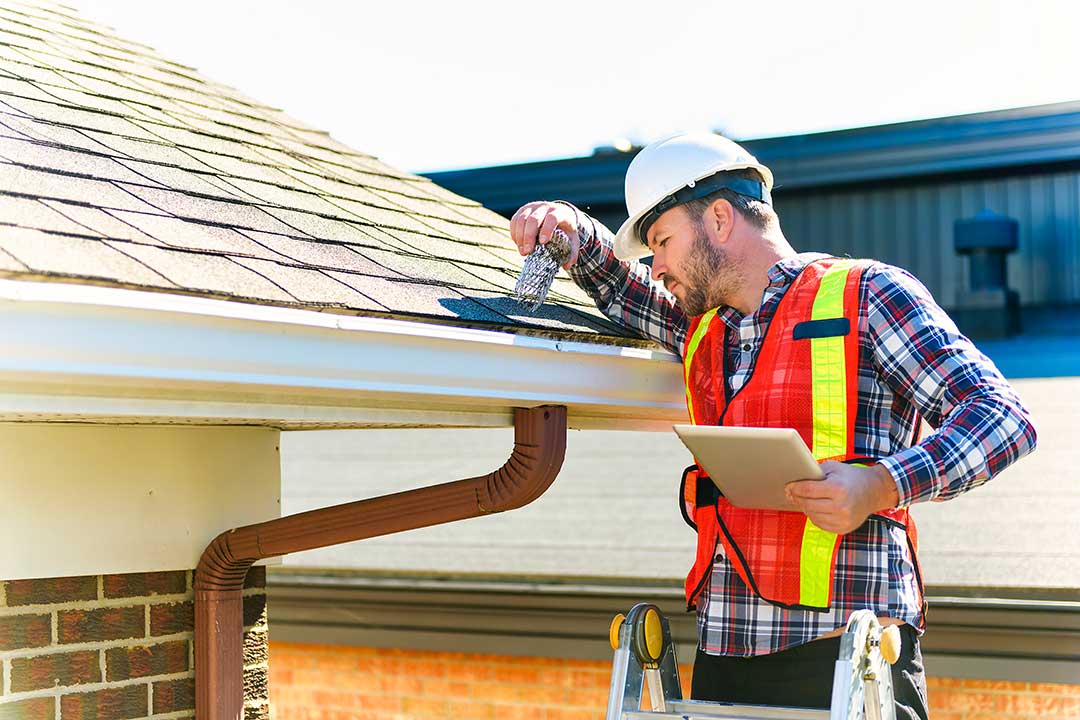
Before choosing a planted roof, verify the roof slope, framing capacity, membrane condition, drainage layout, access, and local approval requirements. Building and stormwater rules can vary by project type and location, particularly when a roof replacement changes drainage or adds substantial structural load.
A qualified structural review is necessary if the roof will carry saturated growing medium, retained water, snow, or people. Safety concerns are especially serious during installation, inspection, and winter maintenance.
It is also wise to decide where excess water will go during major storms. A green roof slows runoff, but it does not guarantee that no water will leave the roof. Downspouts, overflow drains, scuppers, and emergency drainage paths still matter.
What are practical alternatives?
A green roof is not the only way to make a roofing system more sustainable. Depending on the property, useful alternatives may include:
- A reflective roof surface
- Durable metal roofing with properly managed runoff
- Better attic insulation and air sealing
- Rain barrels or cisterns
- Downspout discharge into suitable planted areas
- Rain gardens at roof edges
- Permeable surfaces near downspouts
- Reusing or recycling removed roofing materials where feasible
For many homes, combining a durable roof with improved insulation and ground-level stormwater controls offers a more practical balance than a full planted roof.
A green roof can be a responsible choice in Cuba when the structure, drainage, winter conditions, and maintenance plan are all suited to it. It is best understood as a specialized roofing system with environmental advantages—not as a universal upgrade for every home.
