
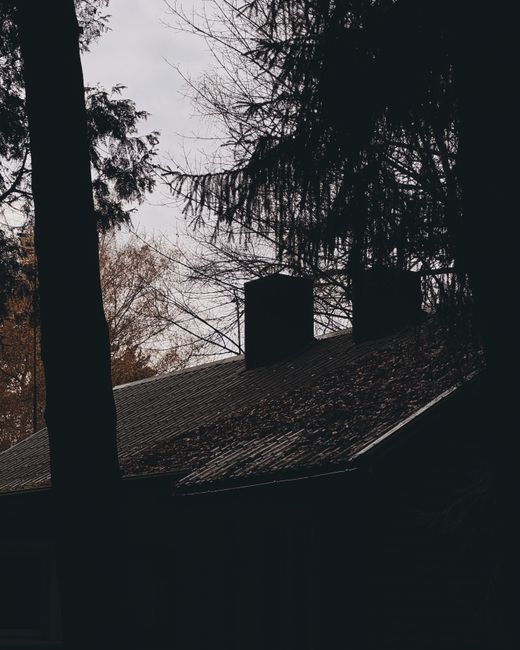
Roof debris is usually easiest to remove when it is light, dry, and accessible from the ground or a secure low-level position. Leaves, small branches, pine needles, and windblown litter should be cleared before they block drainage, hold moisture against roofing materials, or hide damage.
In Cuba, NY, seasonal weather can place several types of debris on residential roofs. Autumn leaves may collect in valleys and behind roof penetrations, while spring wind and wet snow can leave branches, twigs, and other material across the surface. Safe cleanup depends less on removing every speck and more on avoiding roof damage and preventing water from being trapped.
What roof debris should be removed?
Loose organic material and storm debris deserve attention when they are thick enough to retain moisture or interfere with drainage.
Common examples include:
- Leaves and pine needles
- Small sticks and branches
- Seed pods, cones, and other yard debris
- Windblown plastic or lightweight trash
- Mud or sediment near roof edges
- Moss or organic buildup
- Broken shingle pieces, metal fragments, or other construction debris
A few scattered leaves are generally not an emergency. Debris becomes more concerning when it gathers in valleys, around chimneys, near skylights, behind plumbing vents, or at the lower edge of a roof where water should flow into gutters.
Large branches, fallen trees, exposed nails, torn flashing, or pieces of roofing material may indicate storm damage rather than a simple cleaning task.
Can roof debris be removed from the ground?
Yes. Ground-level removal is the safest option for light debris and should be attempted before anyone climbs onto the roof.
A roof rake with a long handle can reach some low-slope sections from the ground. Use gentle pulling motions rather than forceful scraping. The rake head should stay above the roofing surface when possible, especially on asphalt shingles, which can lose protective granules if they are dragged aggressively.
A soft-bristled extension broom may also help with loose leaves on a porch roof, garage roof, or other low section. Avoid metal rakes, sharp tools, garden hoes, and shovels. These can scratch protective coatings, tear membranes, loosen shingles, or damage flashing.
Keep people, pets, vehicles, and outdoor furniture away from the area below. Debris can slide or fall farther than expected, particularly when a roof is wet.
Should you climb onto the roof to clean it?
Roof climbing is not necessary for most light debris and becomes risky when the surface is wet, icy, steep, mossy, or covered with loose material. Even a roof that appears dry from the ground may have slick areas shaded by trees or dampened by overnight moisture.
Do not climb during or immediately after:
- Rain or freezing rain
- Snowfall or thawing conditions
- Strong wind
- Frost or heavy dew
- A storm that may have weakened the roof
- Any situation where the ladder cannot rest on stable, level ground
If access is unavoidable for a low-slope roof, use a properly positioned ladder, maintain three points of contact, and avoid stepping on brittle, curled, cracked, or visibly damaged roofing. Never walk backward while dragging debris, and do not carry bulky loads up a ladder.
A roof that requires extensive walking, special equipment, or work near an edge is not a suitable do-it-yourself cleaning surface.
How do you remove leaves and branches without damaging shingles?
Begin by clearing the largest loose branches by hand from a stable location, but do not pull on anything that appears wedged under shingles, flashing, vents, or trim. Pulling upward can tear roofing materials or expose fasteners.
For leaves and needles, use a soft broom or a roof rake designed for the type of roof covering. Work from the ridge toward the eave only when the tool can move without catching shingle edges. Avoid dragging material uphill across overlapping shingles.
Do not use a pressure washer. High-pressure water can remove granules, drive moisture under shingles, damage flashing seals, and force water into roof and wall assemblies. Blowers can be useful for loose, dry debris on appropriate low-slope surfaces, but they may scatter material into gutters, attic vents, neighboring areas, or the ground below.
Never try to remove ice by chopping it with an axe, hammer, or shovel. Ice removal can damage the roof and create falling hazards.
What should be checked after debris is removed?
Cleaning should be followed by a visual inspection from the ground, attic, and accessible roof edges.
Look for:
- Missing, lifted, curled, or cracked shingles
- Exposed underlayment or roof decking
- Bent or separated flashing
- Damaged vent boots or pipe collars
- Dents or punctures in metal roofing
- Sagging areas
- Gutter sections pulled away from the roofline
- Water stains on ceilings or attic framing
- Daylight visible through the roof deck
- Heavy moss or dark areas that remain damp
Pay particular attention to valleys and roof penetrations. These areas collect water and debris and are common locations for concealed leaks.
If a branch struck the roof, do not assume that the absence of an indoor leak means there is no damage. Some roof leaks appear only during wind-driven rain or after snow melts.
How should roof debris be handled at the gutters?
Debris on the roof often ends up in the gutters. After clearing the roof, check whether downspouts are blocked and whether water can flow freely through the system.
Use gloves to remove leaves and sludge from accessible gutter sections. A hose can help test drainage after larger material has been removed, but avoid directing water beneath shingles or toward damaged areas.
Do not stand on the gutter itself. It is not designed to support a person, and leaning a ladder against it can bend the gutter or pull it away from the fascia.
Downspout outlets should discharge water away from the foundation without creating erosion or icy walking surfaces. In freezing weather, water trapped in gutters can expand and worsen loose joints or sagging sections.
What should you do with moss and heavy organic growth?
Moss should not be scraped aggressively from shingles. Its growth may indicate persistent shade, trapped moisture, or poor drainage, and forceful removal can strip granules or lift roofing edges.
Light surface growth may be addressed with a roof-safe treatment used exactly as directed on its label. Do not mix cleaning chemicals, and keep runoff away from gardens, ponds, pets, and storm drains unless the product instructions allow it.
Heavy moss, thick soil-like buildup, or plants rooted in roof debris suggest that moisture has remained in place for a long time. In that situation, inspection for damaged shingles, deteriorated wood, and blocked drainage is more useful than simply removing the visible growth.
When is roof debris a safety concern?
Stop work and stay off the roof if debris is associated with structural damage, electrical hazards, unstable branches, or a fall risk. Extra caution is needed after severe wind, heavy wet snow, or a fallen tree.
Professional evaluation is warranted when:
- A large limb has struck the roof
- The roof is sagging or visibly displaced
- Shingles or metal panels are missing
- Water is entering the attic or living space
- A chimney, vent, or flashing assembly has shifted
- Debris contains broken glass, wires, chemicals, or unknown materials
- The roof is steep, high, fragile, or difficult to access safely
For most households, the practical routine is simple: remove light debris from the ground when conditions are dry, keep gutters and valleys clear, inspect after major storms, and treat any sign of damage as more than a cleaning issue.
